

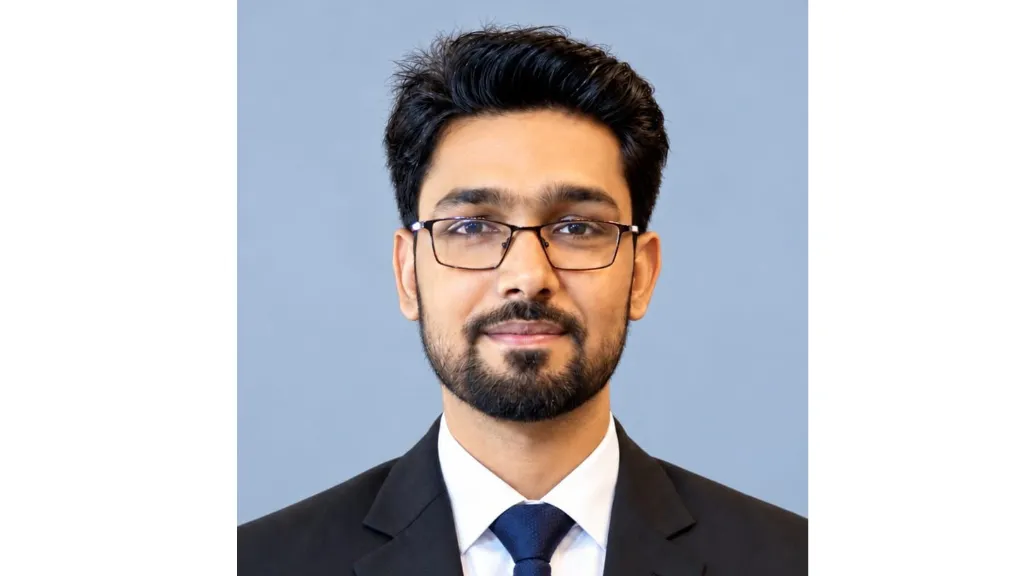
Md. Nazmul Huda
Dhaka is more than just the name of a city. For some, it is a destination for fulfilling their dreams; for others, it is a last resort for securing a livelihood; and for many, it represents an ongoing struggle for survival. As a centre of education, culture, politics, economic activity, and development, Dhaka holds immense significance not only for Bangladesh but also within the broader South Asian region.
A substantial proportion of Dhaka's population depends on economic activities closely connected to informal settlements and the informal economy. According to the Bangladesh Bureau of Statistics (BBS), the Population and Housing Census 2022 recorded approximately 1.8 million people living in slum areas nationwide, including approximately 884,000 in Dhaka Division. Complementing this statistical picture, a 2026 study by the Bangladesh Centre for Development Studies (BCDS) highlights the challenges experienced by residents of informal settlements in accessing adequate housing, healthcare, nutrition, education, and social protection. These findings underscore that informal settlements are not merely a manifestation of urban housing shortages; they also reflect deeper structural inequalities in access to essential services, livelihood opportunities, and social security. Together, the BBS statistics and the BCDS study provide an important foundation for understanding the relationship between urban poverty, informal livelihoods, and social vulnerability in Bangladesh.
Bangladesh is one of the world's most climate-vulnerable countries. Environmental hazards and climatic changes, including cyclones, floods, flash floods, riverbank erosion, increasing salinity, droughts, and irregular rainfall, affect people's lives and livelihoods across the country. Riverbank erosion, flooding, and the growing insecurity of agriculture-dependent livelihoods, in particular, compel many households to leave their places of origin in search of alternative means of survival. People from different parts of the country continue to migrate to Dhaka in pursuit of better living conditions, employment opportunities, and a relatively secure future.
Upon arriving in Dhaka, many of these migrants find themselves excluded from formal labour markets. Consequently, informal occupations such as rickshaw pulling, street food vending, construction work, auto-rickshaw driving, and street hawking become their primary sources of livelihood. Limited educational qualifications, inadequate capital, restricted access to skills development, and the immediate need to earn an income often channel them into these occupations.
Although the scale of this population is important, numerical estimates alone cannot adequately capture the magnitude of the problem. Residents of informal settlements are not simply people experiencing housing insecurity; they are also integral to the urban economy. The rickshaw puller transporting passengers through the streets, the street vendor selling food, the construction worker building urban infrastructure, and the auto-rickshaw driver facilitating daily mobility all contribute to keeping the city functioning. Yet a substantial proportion of these workers remain outside effective systems of social and institutional protection.
Against this backdrop, I conducted research on residents of informal settlements, with a particular focus on rickshaw pullers. My investigation into the lived experiences of climate-affected migrant rickshaw pullers revealed an important dimension of this reality. The findings indicate that flooding, riverbank erosion, declining rural employment opportunities, and livelihood insecurity have compelled many people to migrate to Dhaka. Upon arrival, rickshaw pulling becomes a relatively accessible occupation because it generally requires neither formal educational qualifications nor substantial initial capital. However, this relative ease of entry comes at a considerable cost. Workers face long working hours, irregular earnings, rickshaw rental expenses, debt, road accidents, extreme weather conditions, and significant health risks.
This is where an important relationship emerges between climate-induced migration and urban informality. An individual may lose their rural livelihood because of climate-related hazards and subsequently migrate to the city. Upon arrival, they may enter informal employment to secure an income. However, if their earnings remain unstable, their housing insecure, and their access to healthcare and social protection inadequate, their vulnerability does not end with migration. Instead, they enter a new landscape of economic and social risks in the city, even as they move away from certain environmental hazards in their places of origin. This condition can be understood as a form of double vulnerability, in which climate-related displacement intersects with the insecurity of informal labour markets.
Many of the rickshaw pullers who participated in my research had been unable to achieve lasting financial security despite working long hours every day. Extended working periods, strenuous physical labour, exposure to road accidents, working under extreme heat or heavy rainfall, and the high cost of medical treatment placed additional burdens on their lives. Alongside physical health problems, psychological stress emerged as another significant dimension of their everyday experiences.
Nevertheless, these challenges are not confined to rickshaw pullers. Similar patterns can be observed in the lives of street food vendors, construction workers, auto-rickshaw drivers, street hawkers, and other informal workers across Dhaka. They remain highly visible in the everyday functioning of the urban economy, yet frequently remain invisible within systems of social security, healthcare provision, secure housing, and policymaking.
This contradiction deserves particular attention. Millions of journeys take place across Dhaka's streets every day, while informal workers provide essential services related to transportation, food, construction, and other aspects of urban life. In other words, they constitute an important component of the city's economic infrastructure. Despite their contribution, however, relatively limited attention is paid to the security of their employment, their social recognition, and their rights as urban residents. My research particularly highlights the position of rickshaw pullers as workers who are visible in the everyday life of the city but socially invisible within its institutional and policy frameworks.
Another important consideration is that informal settlements cannot be adequately understood by viewing them simply as residential spaces for poor people. Such a perspective overlooks their significance within the political economy of urban development. The people living in these settlements are deeply connected to the city's labour markets. They supply the labour and services on which urban economic activities depend, yet they do not always receive secure housing, adequate healthcare, social protection, or stable employment in return. This raises a fundamental question: are the benefits and risks of urban development distributed equitably across different social groups?
In Bangladesh, rapid urbanisation, climate change, and internal migration in search of employment are placing increasing pressure on Dhaka. Under these circumstances, sustainable urban development cannot be achieved merely by constructing new roads, flyovers, buildings, or other infrastructure. The needs and interests of the most vulnerable urban populations must become central to development planning. Dhaka's future, therefore, cannot be assessed solely in terms of the number of buildings constructed, roads widened, or rates of economic growth achieved. It will also depend on the extent to which the city becomes safer, more inclusive, and more liveable for its most vulnerable residents.
Recognising people who migrate from rural areas because of climate-related pressures as climate migrants is not, in itself, sufficient. They must also have access to secure housing, healthcare, social protection, skills development, and opportunities for decent and dignified livelihoods. At the same time, informal workers must be recognised as indispensable contributors to the urban economy rather than treated as peripheral to the city's development agenda.
Dhaka is not merely a city of dreams for the wealthy and the middle classes. It is also sustained every day by the labour of rickshaw pullers, street food vendors, construction workers, auto-rickshaw drivers, and countless other informal workers. Their lives and struggles should not be treated as marginal concerns in urban development. Instead, they must occupy a central place in planning the city's future. Ultimately, urban development becomes meaningful only when it creates a safe and dignified place within the city for those who face the greatest risks and insecurities.
Author: Teacher and Researcher