

Breast cancer poses a growing yet preventable public health challenge in Bangladesh. Early detection, awareness, and equitable access to screening and treatment are essential to reduce mortality and suffering.
Breast cancer has quietly emerged as one of the most pressing public health challenges facing women in Bangladesh today. Despite significant advances in medical science and cancer treatment, breast cancer continues to claim thousands of lives each year—largely because it is detected too late. This is not a failure of medicine alone; it is a failure of awareness, early detection, and system-wide preparedness. Globally, breast cancer is the most commonly diagnosed cancer among women. In Bangladesh, its burden is growing steadily, driven by population ageing, lifestyle changes, and limited access to early diagnostic services. Yet, unlike many other cancers, breast cancer is highly treatable when detected early. The tragedy lies in the fact that many women reach healthcare facilities only when the disease has already advanced to late stages, when treatment becomes more complex, costly, and physically and emotionally devastating.
Late diagnosis: the core of the problem
In Bangladesh, a large proportion of breast cancer patients present at stage III or IV of the disease. At this point, cancer has often spread to lymph nodes or distant organs, significantly reducing survival rates. Late presentation is not accidental; it is the result of multiple intersecting factors—social stigma, fear, lack of knowledge, limited screening services, and economic constraints. Many women ignore early symptoms such as a painless lump in the breast, changes in breast shape, nipple retraction, or abnormal discharge. In a society where discussions about breast health remain sensitive, women often hesitate to seek medical advice. For some, family responsibilities take precedence; for others, fear of diagnosis or treatment delays action. These delays come at a high cost.
Myths, stigma, and silence
Breast cancer in Bangladesh is still surrounded by myths and misconceptions. Some believe it is always fatal, others assume it affects only older women, and many think pain is an essential symptom—none of which is true. Breast cancer can occur at any adult age, and early-stage disease is often painless. Social stigma further deepens the silence. Women may fear social judgment, marital instability, or being perceived as a burden. This stigma not only delays diagnosis but also isolates patients emotionally during treatment. Breaking this silence through public education is as important as providing medical care itself.
Early detection saves lives—and costs
Evidence from high-income countries clearly shows that widespread awareness and organised screening programmes significantly reduce breast cancer mortality. Mammography, clinical breast examination, and breast self-examination play complementary roles in early detection. In Bangladesh, however, organised national screening programmes are limited. Mammography services are mostly concentrated in urban centres, making access difficult for rural and low-income women. Even when services exist, awareness about who should be screened and when remains low. Early detection is not only lifesaving; it is cost-effective. Treating early-stage breast cancer requires fewer resources, shorter treatment duration, and causes less disruption to a woman’s life. In contrast, advanced cancer treatment involves prolonged chemotherapy, extensive surgery, radiotherapy, and supportive care—placing enormous financial strain on families and the healthcare system alike.
Progress in treatment, gaps in access
Bangladesh has made notable progress in cancer treatment over the past decade. Tertiary hospitals now offer surgery, chemotherapy, radiotherapy, hormone therapy, and targeted treatment for breast cancer. Advances in radiotherapy technology have improved precision and reduced side effects, enhancing patients’ quality of life. Yet access remains uneven. Many patients must travel long distances for treatment, incurring additional costs and delays. The shortage of trained oncology professionals, especially outside major cities, further limits timely care. Strengthening regional cancer centres and expanding oncology services at district levels are essential steps toward equity.
The psychological dimension of breast cancer
Breast cancer is not only a physical illness; it profoundly affects mental health. Diagnosis often triggers fear, anxiety, depression, and uncertainty about the future. Changes in body image following surgery, hair loss from chemotherapy, and long treatment courses can deeply affect a woman’s self-esteem and social interactions. Unfortunately, psychosocial support services are often overlooked in cancer care. Counselling, patient support groups, and family education should be integrated into treatment pathways. A woman fighting breast cancer needs more than medication—she needs empathy, reassurance, and sustained emotional support.
What needs to change
Addressing the hidden burden of breast cancer in Bangladesh requires a coordinated, multi-level approach. First, awareness must be elevated to a national priority. Public education campaigns—through mass media, community health workers, and educational institutions—should focus on early signs of breast cancer, the importance of prompt medical consultation, and the reality that early detection saves lives. Second, screening services must be expanded and decentralised. Clinical breast examination can be introduced at primary healthcare levels, while mammography services should be gradually expanded to district hospitals. Training female healthcare workers to conduct examinations can help overcome cultural barriers. Third, policy support is essential. Breast cancer should be prioritised within national non-communicable disease strategies. Subsidised screening, treatment support for low-income patients, and improved referral systems can significantly reduce delays in care. Finally, survivorship and support services deserve attention. As more women survive breast cancer, long-term follow-up, rehabilitation, and reintegration into normal life must become part of comprehensive care.
A call for collective responsibility
Breast cancer is not merely a medical issue; it is a societal challenge. Reducing its burden requires collective action—from policymakers, healthcare professionals, community leaders, media, and families. Silence and stigma must give way to knowledge and compassion. Breast cancer does not have to be a death sentence. With timely detection, accessible treatment, and supportive care, countless lives can be saved. The imperative is clear: Bangladesh must move from reacting to advanced disease to preventing avoidable deaths through early detection. The cost of inaction is measured not only in statistics, but in lives cut short and families forever changed.
Author
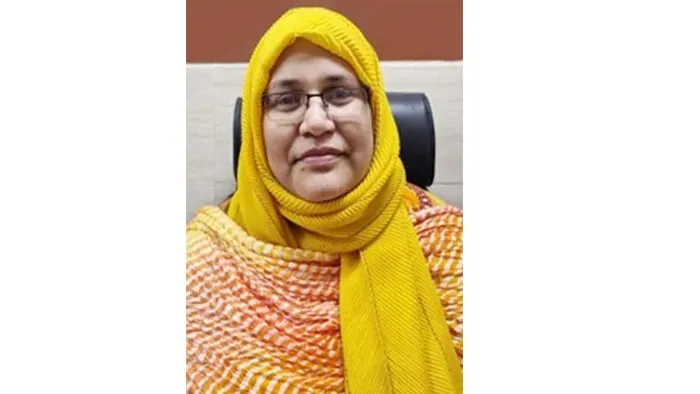
Dr. Mousumi Marjiara
Assistant Professor Department of Radiotherapy, Rajshahi Medical College Hospital, Rajshahi
E-mail: [email protected]